The online beauty marketplace has witnessed an exponential growth in recent years, revolutionizing the way consumers discover, purchase, and experience beauty products. This digital landscape offers a plethora of opportunities for both consumers and businesses, making it a dynamic and exciting space to explore.
The Rise of the Online Beauty Marketplace
The shift towards online beauty shopping can be attributed to several factors. Firstly, https://beauty.dhgate.com/ the convenience factor cannot be overstated. With just a few clicks, consumers can browse through a vast array of products from the comfort of their own homes, eliminating the need to visit physical stores. This is especially beneficial for those with busy schedules or limited access to beauty retailers.
Secondly, the online beauty marketplace provides access to a global range of products. Consumers can discover and purchase brands that may not be available in their local stores, expanding their beauty horizons. For example, a consumer in a small town can now easily buy high – end Korean skincare products that were previously only accessible through specialty importers or expensive department stores.
Thirdly, the rise of social media has played a significant role in the growth of the online beauty marketplace. Influencers and beauty bloggers have a large following on platforms like Instagram, YouTube, and TikTok. They share product reviews, tutorials, and recommendations, which influence consumers’ purchasing decisions. A popular beauty influencer’s review of a new eyeshadow palette can lead to a significant spike in online sales of that product.
Types of Products Available
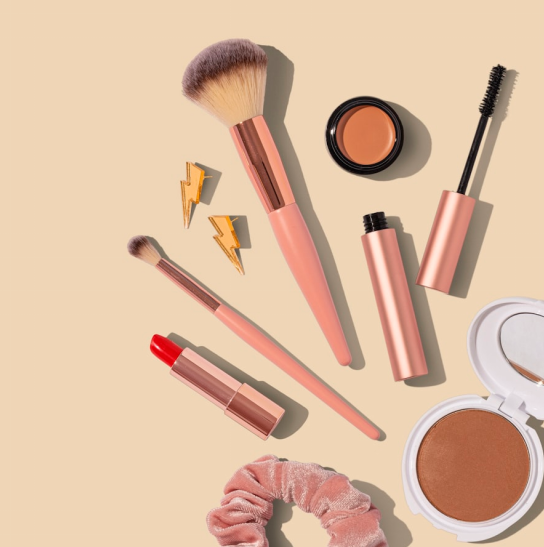
The online beauty marketplace offers a comprehensive range of products. Cosmetics are one of the most popular categories. This includes foundations, concealers, lipsticks, eyeshadows, and mascaras. Brands like MAC, NARS, and Maybelline have a strong online presence, offering a wide variety of shades and formulations to suit different skin tones and preferences.
Skincare is another major category. Products such as cleansers, toners, moisturizers, serums, and sunscreens are in high demand. Korean skincare brands like Laneige and Innisfree have gained a huge following online, known for their innovative ingredients and multi – step skincare routines. For instance, Laneige’s Water Sleeping Mask has become a cult favorite among skincare enthusiasts worldwide.
Haircare products also have a significant market share. Shampoos, conditioners, styling products, and hair treatments are readily available online. Brands like L’Oréal Professionnel and Redken offer professional – grade haircare products that can be purchased directly by consumers. Additionally, natural and organic haircare brands are gaining popularity as consumers become more conscious about the ingredients they use on their hair.
Fragrances are also a staple in the online beauty marketplace. Consumers can find both designer and niche fragrances online. Websites often offer exclusive deals and bundles, making it more affordable to purchase high – end fragrances. For example, a popular online beauty retailer might offer a set of sample-sized perfumes from different luxury brands, allowing consumers to try them before committing to a full – sized bottle.
Benefits for Consumers
One of the primary benefits for consumers is the ability to compare prices easily. Online beauty marketplaces allow consumers to quickly check the prices of a product across different retailers. For example, a consumer looking to buy a particular brand of lipstick can compare the prices on Amazon, Sephora’s website, and the brand’s official online store to find the best deal. This transparency in pricing gives consumers more control over their spending.
Consumers also have access to a wealth of information. Product descriptions, customer reviews, and ingredient lists are readily available online. Reviews from other consumers can help potential buyers make more informed decisions. For example, if a consumer is considering purchasing an anti – aging serum, they can read reviews from other users about its effectiveness, texture, and any potential side effects.
Online beauty marketplaces often offer exclusive discounts, promotions, and loyalty programs. Many retailers offer free shipping on orders over a certain amount, which can save consumers money. Loyalty programs allow consumers to earn points with each purchase, which can be redeemed for future discounts or free products. For instance, Sephora’s Beauty Insider program rewards customers with points that can be used to buy makeup, skincare, or other beauty products.
Challenges for Consumers
One of the main challenges for consumers is the risk of purchasing counterfeit products. With the large number of sellers on online marketplaces, it can be difficult to ensure the authenticity of the products. For example, some counterfeiters may sell fake designer perfumes that look similar to the real ones but have a different scent and quality. To mitigate this risk, consumers should only buy from reputable sellers and check for authenticity guarantees.
Another challenge is the inability to physically try the products before purchasing. Unlike in a physical store, consumers cannot test a lipstick shade on their lips or feel the texture of a moisturizer on their skin. This can lead to disappointment if the product does not meet their expectations. However, many online retailers offer return policies to address this issue, allowing consumers to return products that they are not satisfied with.
Privacy and security are also concerns for consumers when shopping online. They need to provide personal and financial information to complete a purchase. There is a risk of this information being misused if the website does not have proper security measures in place. Consumers should look for websites that use secure payment gateways and have privacy policies in place to protect their data.
Business Opportunities and Strategies
For beauty brands, the online marketplace offers a cost – effective way to reach a global audience. Setting up an online store is often more affordable than opening a physical retail location. Brands can also target specific customer segments through digital marketing strategies. For example, a brand that specializes in vegan and cruelty – free beauty products can use social media advertising to target consumers who are interested in ethical beauty.
Partnering with influencers is a popular strategy for beauty businesses. Influencers have a loyal following and can help promote a brand’s products effectively. For example, a new makeup brand might collaborate with a well – known beauty YouTuber to create a sponsored video featuring their products. This can increase brand awareness and drive sales.
Offering personalized experiences is another key strategy. Some online beauty retailers use quizzes and algorithms to recommend products based on a consumer’s skin type, hair type, and beauty preferences. For example, a skincare brand might ask a consumer a series of questions about their skin concerns, such as dryness or acne, and then recommend the most suitable products for them.
Building a strong brand community is also important. Brands can engage with their customers through social media, online forums, and email newsletters. For example, a beauty brand might host online events where customers can ask questions, share their beauty tips, and interact with the brand’s team. This helps to build brand loyalty and a sense of community among customers.